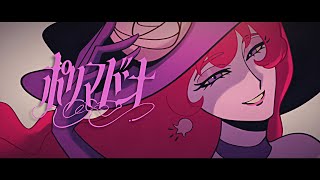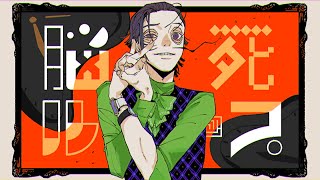
から
から歌い出しまでの音が大好き何回も聞いちゃう
() Firstly, obviously, the character design is meant to reflect the likeness of keystone dadism pioneer, Salvador Dali! iconic imagery of his work, such as the melting clocks (
ちゃんとパジャマ着て寝てんのかわいいな
このシュール何とかっていうのは多分誰かしら言及してるだろうけれど『シュールレアリスム(シュルレアリスム)』のことだと思うですそれを残骸と呼ぶってことは、浅はかな考えではあるだろうけれど画家活動を辞めた後、元妻のガラが死去した後のことなのかなあなんて考えてた
ファッションプラムって梅毒?ダリが父親から梅毒の写真を見させられてたってエピソードからなら煮ルさん本当にお詳しいな...
“Ant & I, and the city of 175/蟻と私と175の街” was driving me insane for some time. I couldn’t find a real place of historical significance to Dali like a “City of 175” so I was wondering if it was a pun or what it meant. I’m worried this is a stretch or odd coincidence as opposed to an intentional play on words, but this is the most sense I can make out of it. “175” sounds like it’s pronounced as “inago” here which is very unusual (“i” from “ichi/1”, “na” from “nana/7”, “go/5”) here, with “inago/稲子” also meaning “grasshopper”. Dali was known for having a repulsion towards grasshoppers and ants and would use imagery of both in his art, so in this case it could be “ant and I and the city of grasshoppers”I think the song is about Dali’s shift to commercializing his work (becoming a “puppet” or “commercial slave”) since he was criticized for selling himself out. He appeared in adverts in all sorts of things from cars to chocolate and became more well known for his eccentricity as his selling point than his actual art in consumer America. Overall really interesting to look into and it’s so unique and catchy! Niru Kajitsu never disappoints T__T (良いすぎ)
蟻と私と175の街ダリにとって、蟻は小さい頃からのトラウマで死の象徴だった。昔助けた瀕死の動物やペットが死に近づく時に必ず蟻が群がるのを見て、酷くトラウマになったそう。
ここでちょっと転調すんの好き
のとこの転調(?)わからんけどさ、めっちゃ性癖にぶっ刺さって抜けない
), eggs (
の「溶ける時計」っていう歌詞ってダリの作品の「記憶の固執」の別名「柔らかい時計」から来てるのかな
空耳だけど、が誰かの代わりに君がいたって聞こえる…歌詞見たら違っててびっくり。
「すぎないや」を「すぎない病」ってしてるの好き。
), which Dali was known to keep as a pet. there are probably WAY more references that i didn’t pick up on, but these are just a few, haha.
の「る」が巻き舌なの好き。
愛せるか否かの「る」のとこが巻き舌なのカッコええ...
みんなそれぞれ好きなところあると思うけど、私はの「何度でも言うさ 君が救い」が好きすぎる
よく見ると窓の目の色と同じ色(左側の目は真ん中が白で右側の目は真ん中が黒)
サムネ らへんのシーンだった気がしたんだけどもしかして
ずっと気になってたの、あれだ。右と左で表情が違う。
). perhaps the sentence “farewell to the ghost, and become an imposing slave” speaks to the idea of an artist trying to force a concrete meaning into their work by tirelessly imposing descriptions and overt symbols into their art. sort of, “anti-dadism”, if you will.
im never forgiving nilfruits for making the part so short and only appear once 😭😭💝💝
Cha- chao chao chao <3
chaoのところが狂おしいほど好き😭
Don't mind me, just vibing to CHA-CHAO CHAO CHAO
Don't mind me, just vibing to CHA-CHAO CHAO CHAO (1)
Don't mind me, just vibing to CHA-CHAO CHAO CHAO (10)
Don't mind me, just vibing to CHA-CHAO CHAO CHAO (11)
Don't mind me, just vibing to CHA-CHAO CHAO CHAO (12)
Don't mind me, just vibing to CHA-CHAO CHAO CHAO (13)
Don't mind me, just vibing to CHA-CHAO CHAO CHAO (14)
Don't mind me, just vibing to CHA-CHAO CHAO CHAO (15)
Don't mind me, just vibing to CHA-CHAO CHAO CHAO (16)
Don't mind me, just vibing to CHA-CHAO CHAO CHAO (17)
Don't mind me, just vibing to CHA-CHAO CHAO CHAO (2)
Don't mind me, just vibing to CHA-CHAO CHAO CHAO (3)
Don't mind me, just vibing to CHA-CHAO CHAO CHAO (4)
Don't mind me, just vibing to CHA-CHAO CHAO CHAO (5)
Don't mind me, just vibing to CHA-CHAO CHAO CHAO (6)
Don't mind me, just vibing to CHA-CHAO CHAO CHAO (7)
Don't mind me, just vibing to CHA-CHAO CHAO CHAO (8)
Don't mind me, just vibing to CHA-CHAO CHAO CHAO (9)
flower: Chao Chao ChaoYo: Chale, ya me voy entonces 😔👊🏽
() this line here, “DA DA DARE?”, is a direct reference to dadaism (DADA). the context of the line also represents the dadaist concept of “the death of ‘The Artist’” which implies that regardless of an artwork’s original intent or purpose, it is meaningless after the one who made it is gone to clarify is meaning, and therefore is completely up to interpretation. many argue that “the death of the artist” occurs after a work is finished and released into the public eye, because then, it’s meaning is entirely dependent on the emotions it evokes on THE INDIVIDUAL. thus, “dare?= who?”, as in, who will you be? what purpose will your name serve to this art other than credit? this concept is also conveyed by the use of the term “ghost” to describe the artist (
数年後には貴方DA DA 誰? が好きすぎる急に本気になるの怖いすきです
英語歌詞「DA DA DARE are you?」すき
() this portion here is what is called “dadaist poetry”, in which the speaker chooses words randomly (traditionally, by means of cutting words out of magazines and letting them drop onto a table to decide their order) and recites them either with great emotion, or with none at all. years ago, dadaist guilds would gather at clubs/bars and hold, what is essentially, a slam poetry session! however, the lyrics are relatively random, as in they have no sentence structure, but they still all connect to the theme of artistic commercialization- which technically disqualifies it as true dadaist poetry, but it’s still a cool nod.
Small note; Salvador Dalí was an artist within the surrealism movement, not Dadaism! Surrealism (very roughly) revolves around human impulses and the dreamlike, which might actually be why the character wakes up at the start of the MV. I will say though, Dalí played a character for his audience and put up a face to more easily commercialize himself, which ties in pretty neatly with all the descriptions at (artistic commercialization, as you mentioned).Also fun to mention that Dadaism was a direct result of post-war nihilism
ここからすこ
大学で美術史を専攻してるんだけど、 からの歌詞なんか既視感あるな?と思ったらリチャード・ハミルトンというポップアーティストの名言で脳死
(1)
〜めちゃすき
お前がな。
の「お前がな」ってとこかっけえ
ここめっちゃ好き
のお前がな のことで「ニヤッ」って何かたくらんでそうなのかっこよすぎや…
), and ants (
ここ舌打ち 指パッチン 拍手で完コピできる。
これ
のチッカッコッて音めっちゃ好き
ダリのこと調べてた時に知ったけど、ここってダリがタマゴに憧れてたことを元にしてたのか!
好き🥚❤
)can be seen periodically in the MV. there is also depiction of an ocelot (
の真ん中の点々たちはアリですねダリは死や消滅を表現するときにアリを使うことがありましたのでそこから取ったのかと制作したお二方のカバー範囲が広過ぎて横転してるところです。
ここの「愛せるか否か」の前に若干入る「ん」を伸ばしたみたいな音が好き
『聖母のツラした君が救い』っていうのも、ダリは自作の中で彼女のことを聖なるもののように描いていて、調べればガラモチーフの女性が描かれた絵がごまんと出てくる。あと明確に家の外から出た描写が無いのも城に引きこもっていたから目の周りがが出来てるのもストレスかな?脳死ループっていう部分も自殺未遂を繰り返してた話から取ったのかな(最もここはWikipediaでちらりと見ただけだから本当かどうかは知らないけれども……)結論としては、これはダリの人生後半部分を描いた曲なんじゃないかなあと自分の考察は敬愛するダリを侮辱しているようで気に入らないのですが、これが一番やはりこれがしっくり来ます煮ル果実さん、ヤスタツさん、素晴らしい作品をありがとうございます……
未来の僕ら
のシーンに変えられた。。。?
(2)
ここの心底楽しそうな胡散臭い顔最高
ラスサビガチで好き
『猫』も杓子もダリの髭 猫っぽい?
ここの「ドール・ドール」のとこサルバドールとドール(人形)とドル(ダリの作品は徐々に商業的になっていき、ダリは「ドルの亡者」と言うあだ名を付けられている)をかけているのかなと思うと煮ル果実さんの文才が見えすぎてこの曲が更に好きになってしまう....
「僕は亡霊、消える運命」が「僕はここで消えるね」に聞こえる
みんな素敵な考察をしてるのに私はここのちょっと見えてる靴下が可愛いとかそんなことしか考えてない
〜の待ってんぜのつまるとこの感じめちゃめちゃ煮ルさんだなあって思うの私だけかな
joker
!!全部2だ!?
なんですかね……?
中毒性ヤバい
動画がである意味を考えてみようと思った